Introduction
High in the Himalayan mountains, where the air is thin and the landscape unforgiving, a sophisticated system of herbal medicine has flourished for millennia. Tibetan herbs represent more than botanical remedies—they embody a complete philosophy of wellness that integrates body, mind, and spirit. Rooted in ancient monasteries and preserved through generations of practitioners, this healing tradition has captivated researchers, wellness enthusiasts, and scholars worldwide.
This comprehensive guide explores the fascinating world of Tibetan herbal medicine. From its philosophical foundations to modern scientific validation, from individual herbs to complex formulations, we’ll examine how this ancient system continues to offer insights into holistic health. Whether you’re a student of traditional medicine, a wellness researcher, or simply curious about this rich tradition, this article provides an educational journey through one of the world’s most sophisticated herbal systems.
PART 1: FOUNDATIONS & HISTORY
1. The Ancient Origins of Tibetan Herbal Medicine
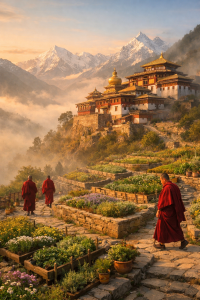
The story of Tibetan herbal medicine begins over 2,500 years ago in the remote highlands of the Tibetan plateau. Within monastery walls and mountain villages, Buddhist monks and physicians developed an intricate understanding of medicinal plants found nowhere else on Earth. This wasn’t merely practical herbalism—it was a spiritual and scientific endeavor that sought to decode the fundamental relationships between humans and nature.
Tibetan medicine evolved as a unique synthesis of influences. Ancient trade routes brought Ayurvedic knowledge from India, Traditional Chinese Medicine from the east, and Persian medical traditions from the west. Yet Tibetan practitioners didn’t simply adopt these systems; they integrated them with indigenous Himalayan plant knowledge and Buddhist philosophy to create something entirely distinct.
The cornerstone of this tradition is the Gyushi, or Four Medical Tantras, compiled in the 8th century by the legendary physician Yutok Yonten Gonpo. These texts contain 156 chapters covering anatomy, physiology, diagnosis, and treatment protocols. The Gyushi described over 1,000 medicinal substances, with detailed instructions on identification, harvesting, preparation, and application.
Knowledge transmission occurred through rigorous apprenticeships lasting decades. Students memorized vast quantities of information, learned to identify hundreds of plants in their natural habitats, and practiced the art of pulse diagnosis and constitutional assessment. This oral tradition, combined with carefully preserved manuscripts, ensured that sophisticated medical knowledge survived through centuries of political upheaval and geographic isolation.
The Himalayan environment itself shaped this herbal tradition. Growing at extreme altitudes where ultraviolet radiation is intense and oxygen is scarce, plants developed unique phytochemical profiles. Traditional practitioners observed that these concentrated compounds—evolved as plant defense mechanisms—possessed remarkable properties when properly prepared and administered.
2. The Philosophical Foundation Behind Tibetan Healing
Tibetan medicine views health through a fundamentally different lens than modern biomedicine. Rather than focusing on isolated symptoms or disease entities, it conceptualizes wellness as a dynamic balance of three fundamental energies called nyepas or humors: Lung (wind), Tripa (bile), and Beken (phlegm).
Lung governs all movement in the body—breath, circulation, nerve impulses, and thought itself. Traditional texts describe it as the force behind speech, physical activity, and mental processes. When Lung is balanced, a person experiences mental clarity, appropriate energy levels, and smooth physiological function. Imbalances were historically associated with anxiety, sleep disturbances, and erratic energy patterns.
Tripa relates to transformation and metabolism. It governs digestion, body temperature, courage, and determination. Balanced Tripa was traditionally linked to healthy complexion, strong digestion, and decisive thinking. Practitioners described Tripa imbalances in contexts of digestive distress, inflammatory conditions, and excess heat in the body.
Beken provides structure, stability, and lubrication. It maintains bodily fluids, joint health, and emotional steadiness. When balanced, Beken was thought to promote patience, compassion, and physical resilience. Traditional descriptions of Beken imbalance included sluggishness, fluid retention, and respiratory congestion.
What distinguishes Tibetan medicine is its recognition that these energies don’t exist in isolation—they’re influenced by diet, season, geography, emotional states, and spiritual practices. A person’s constitutional type (determined at birth by the predominant humor) shapes their physical characteristics, personality tendencies, and susceptibility to certain imbalances. Treatment wasn’t standardized but personalized based on individual constitution, current condition, and environmental factors.
This holistic framework positioned healing as a spiritual journey. Illness represented an opportunity for self-understanding and transformation. Herbs were one component of treatment alongside dietary modification, behavioral guidance, meditation practices, and spiritual counseling. The goal wasn’t merely symptom suppression but restoration of fundamental balance—a return to one’s natural state of harmony.
3. How Tibetan Herbal Medicine Differs from Other Traditions
While Tibetan medicine shares philosophical roots with Ayurveda and Traditional Chinese Medicine (TCM), it developed distinctive characteristics that set it apart. Understanding these differences illuminates the unique contributions of the Tibetan tradition.
Tibetan medicine’s three-humor system parallels Ayurveda’s three doshas (Vata, Pitta, Kapha) but incorporates Buddhist philosophical concepts absent in Hindu-based Ayurveda. The integration of Mahayana Buddhism’s emphasis on compassion and the alleviation of suffering infuses Tibetan medicine with a spiritual dimension that extends beyond physical healing.
Compared to TCM’s five-element theory and meridian system, Tibetan medicine employs different diagnostic methods and conceptual frameworks. While TCM emphasizes acupuncture points and energy channels, Tibetan practice relies heavily on sophisticated pulse diagnosis techniques, urine analysis, and tongue examination. The Tibetan pulse diagnosis system, which examines twelve positions on each wrist, is considered more detailed than its Chinese counterpart.
The Himalayan environment provides Tibetan medicine with unique botanical resources. Many plants used in Tibetan formulations grow exclusively at elevations between 3,000 and 5,000 meters, where extreme conditions produce particularly potent phytochemicals. Rhodiola, for instance, accumulates higher concentrations of active compounds when grown above 4,000 meters. This geographic specificity means authentic Tibetan herbs often cannot be replicated elsewhere.
Tibetan formulations typically combine larger numbers of ingredients than Ayurvedic or Chinese formulas. While a Chinese herbal formula might contain 6-12 herbs, traditional Tibetan formulas routinely incorporate 15-35 ingredients. This complexity reflects a sophisticated understanding of synergistic interactions—the belief that properly combined herbs produce effects impossible to achieve with individual plants.
The preparation methods also distinguish Tibetan medicine. Many formulas undergo elaborate processing including calcination (heating to high temperatures), detoxification protocols for minerals and animal products, and consecration rituals believed to enhance medicinal potency. Pills are traditionally made during specific lunar phases, and certain ingredients are collected only at particular times of year or day.
Finally, Tibetan medicine maintains stronger connections to spiritual practice than most other traditions. Practitioners often receive empowerments and teachings from Buddhist masters, and the medical texts themselves are considered spiritual literature. This integration of healing and spirituality creates a medical system where the practitioner’s state of mind and intention are considered as important as technical knowledge.
PART 2: SCIENCE & VALIDATION

4. The Science Behind Tibetan Herbs
For centuries, Tibetan herbal medicine operated on empirical observation and traditional understanding passed through generations. Today, modern scientific methodology is examining these ancient practices, revealing biochemical mechanisms that help explain their historical use. This research represents a fascinating convergence of traditional wisdom and contemporary pharmacology.
International research institutions in China, India, Europe, and North America have investigated Tibetan herbs over the past four decades. Studies have identified numerous bioactive compounds including salidroside in Rhodiola, berberine in Berberis aristata, and chebulagic acid in Terminalia chebula. These phytochemicals demonstrate measurable biological activities in laboratory and clinical settings.
The adaptogen concept has received particular scientific attention. Adaptogens—a term coined by Soviet scientist Nikolai Lazarev in 1947—describes substances that help organisms adapt to various stressors without causing adverse effects. Several Tibetan herbs, especially Rhodiola species, have been extensively studied as adaptogens. Research has examined their effects on the hypothalamic-pituitary-adrenal (HPA) axis, which governs stress response, revealing that certain compounds modulate cortisol production and enhance cellular stress resistance.
Anti-inflammatory properties of Tibetan herbs have been documented through multiple pathways. Studies have shown that compounds in Boswellia, Curcuma, and Berberis species inhibit pro-inflammatory enzymes like COX-2 and 5-LOX, similar to pharmaceutical anti-inflammatory agents but typically with fewer side effects. These findings provide potential explanations for traditional uses in contexts involving inflammation.
Antioxidant activity represents another well-researched area. Emblica officinalis (Amla), for instance, contains remarkably high levels of vitamin C and polyphenols. Laboratory studies measuring ORAC (Oxygen Radical Absorbance Capacity) values demonstrate that many Tibetan herbs possess antioxidant capacity exceeding common fruits and vegetables. This oxidative stress reduction may contribute to their historical reputation for supporting longevity.
Neuroprotective effects have emerged as an exciting research frontier. Studies on Rhodiola, Bacopa monnieri, and Nardostachys jatamansi have examined their effects on neurotransmitter systems, brain-derived neurotrophic factor (BDNF) production, and neuronal health. Some research suggests these herbs may support cognitive function through multiple mechanisms including enhanced blood flow, reduced oxidative damage, and modulation of neurotransmitter activity.
Traditional formulations like Agar 35 have undergone clinical trials examining their effects on sleep quality and nervous system function. While methodological limitations exist in many studies—including small sample sizes and varying preparation methods—preliminary findings often align with traditional applications. Dashol, a cardiovascular formula, has been studied for its effects on blood pressure and lipid profiles, with some trials showing modest beneficial changes.
However, significant research challenges remain. The complexity of multi-herb formulas makes it difficult to isolate specific mechanisms. Traditional preparation methods may produce different results than modern extraction techniques. Variations in plant chemotypes based on growing conditions, harvest timing, and processing create consistency challenges. Additionally, much research has been conducted in China and published in Mandarin, limiting accessibility for Western researchers.
The gap between traditional use and scientific validation continues to narrow, but interpretation requires nuance. Positive research findings don’t automatically validate all traditional claims, nor do negative or inconclusive studies disprove centuries of empirical observation. The scientific process of validating traditional medicine is gradual, requiring rigorous methodology, adequate funding, and collaboration between traditional practitioners and modern researchers.
PART 3: THE HERBS – COMPREHENSIVE PROFILES
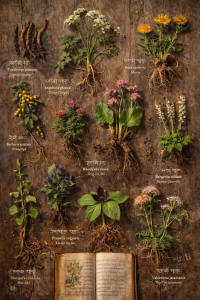
5. Twelve Significant Herbs in Tibetan Medicine: Historical and Research Perspectives
The Tibetan pharmacopeia contains thousands of medicinal substances, but certain herbs occupy central positions due to their historical significance and versatility. Understanding these key botanicals provides insight into the tradition’s therapeutic philosophy and modern research directions.
Rhodiola crenulata (Golden Root)
Known in Tibetan as “so-ma rta-lu,” Rhodiola crenulata grows at altitudes exceeding 4,000 meters where oxygen levels are approximately 40% lower than at sea level. Traditional practitioners described its use by high-altitude populations for maintaining stamina during physically demanding work. Historical texts document its inclusion in formulas intended to support vitality and adaptation to harsh environments.
Modern research has investigated Rhodiola’s adaptogenic properties extensively. Studies have examined its primary bioactive compounds—salidroside and rosavin—finding they influence the HPA axis and may affect physical endurance markers. Russian researchers conducted numerous trials during the Soviet era, though many weren’t published in Western journals. Contemporary studies have explored its effects on mental fatigue, athletic performance, and stress biomarkers, with mixed but generally positive findings. The plant remains popular among mountaineers and athletes, though quality varies significantly based on growing altitude and processing methods.
Terminalia chebula (Haritaki – King of Medicine)
Revered in Tibetan texts as “a-ru-ra” and called the “King of Medicine,” Terminalia chebula holds exceptional status. The Medicine Buddha is traditionally depicted holding this fruit, symbolizing its importance. Ancient texts describe its use in contexts ranging from digestive health to longevity practices, with physicians considering it essential to nearly every formula.
Haritaki contains high concentrations of tannins, particularly chebulagic acid and chebulinic acid. Research has examined its antioxidant properties, finding it possesses remarkable free radical scavenging capacity. Studies have investigated its effects on digestive enzyme activity, intestinal motility, and microbial populations. Traditional practitioners described using different preparations for various purposes—raw, roasted, or processed with specific substances to modify its properties.
Nardostachys jatamansi (Spikenard)
Growing in the Himalayas between 3,000-5,000 meters, Nardostachys jatamansi has been valued since ancient times. Biblical references mention spikenard, indicating its historical reach beyond Tibet. Traditional Tibetan practitioners described its use in contexts related to mental restlessness and Lung imbalances, particularly for individuals experiencing agitation or disturbed sleep.
The plant’s aromatic compounds, particularly sesquiterpenes, have been studied for their effects on neurotransmitter systems. Research has examined how these compounds interact with GABA receptors, potentially explaining traditional observations. Modern studies have investigated its sedative properties in animal models, though human clinical trials remain limited. The plant is increasingly rare due to overharvesting, raising conservation concerns.
Inula racemosa (Pushkarmool)
Known in Tibetan medicine as “ru-rta,” Inula racemosa was traditionally associated with respiratory health and described in contexts of high-altitude adaptation. Its roots were collected in autumn when practitioners believed the plant’s essential oils were most concentrated.
Modern pharmacological research has investigated its bronchodilator properties and effects on smooth muscle tissue. Studies have examined compounds called alantolactone and isoalantolactone for their biological activities. Traditional texts described complex preparation methods involving specific processing to reduce potential irritant properties while preserving desired effects.
Swertia chirayita (Chirata)
This intensely bitter herb, called “ti-kta” in Tibetan medical texts, was traditionally used in contexts relating to Tripa (bile) imbalances. Historical practitioners considered bitterness itself therapeutic, believing it cooled excess heat and supported digestive fire without creating inflammatory responses.
Research has focused on Swertia’s hepatoprotective properties, examining compounds like swertiamarin and gentianine. Studies have investigated its effects on liver enzyme levels, bile flow, and glucose metabolism. The plant’s extreme bitterness has led modern manufacturers to encapsulate it, though traditional practitioners insisted that tasting the bitterness was essential to its action.
Saussurea lappa (Costus)
High-altitude Saussurea species, including S. lappa, were highly valued in traditional Tibetan medicine. Historical texts described the root’s use in digestive contexts and for what practitioners identified as cold-type conditions. The plant’s aromatic properties were believed to move stagnant energy and dispel cold.
Modern research has examined its essential oil composition, finding compounds like costunolide and dehydrocostuslactone. Studies have investigated anti-inflammatory mechanisms and effects on digestive smooth muscle. However, Saussurea lappa is now endangered in many regions due to overharvesting, leading to calls for cultivation programs and substitution with more available Saussurea species.
Berberis aristata (Indian Barberry)
Berberis species appear frequently in Tibetan formulations, with practitioners traditionally valuing their “cooling” properties and effects on what they described as blood impurities. The bright yellow root was processed in various ways depending on intended use.
Berberine, the primary alkaloid in Berberis, has become one of the most researched plant compounds. Thousands of studies have examined its antimicrobial properties, effects on glucose metabolism, and cardiovascular parameters. This scientific attention has created market pressure, with berberine supplements now common in Western markets, though often divorced from traditional preparation methods and formula contexts.
Crocus sativus (Saffron)
While not native to Tibet, saffron entered Tibetan medicine through trade routes and became highly valued. Traditional texts described it as a precious substance used in contexts of emotional imbalance and for what practitioners identified as blood disorders. Its high cost meant it was typically reserved for formulas intended for serious conditions or wealthy patrons.
Modern research has investigated saffron’s compounds—crocin, crocetin, and safranal—for their effects on neurotransmitter systems. Studies have examined its potential in mood-related contexts, with some clinical trials showing effects comparable to certain pharmaceutical agents. The research has generated renewed interest, though authentic saffron remains expensive and adulteration is common in the market.
Picrorhiza kurroa (Kutki)
Growing in high-altitude meadows, Picrorhiza kurroa was traditionally described in contexts of liver support and detoxification. Historical texts emphasized the importance of proper identification, as similar-looking plants lacked the desired properties.
Research has focused on hepatoprotective mechanisms, with studies examining picrosides and other bitter principles. These compounds have been investigated for their effects on liver enzyme levels, bile production, and immune modulation. The plant is now endangered in the wild, leading to cultivation efforts and research into tissue culture propagation methods.
Cordyceps sinensis (Caterpillar Fungus)
Perhaps the most famous Tibetan medicinal substance, Cordyceps sinensis is actually a fungus that parasitizes caterpillar larvae at elevations above 3,500 meters. Traditional texts describe its use in formulas for vitality, lung health, and longevity. Its rarity and unique lifecycle made it extremely valuable, traditionally collected by nomadic people during brief summer months.
Modern research has extensively investigated Cordyceps, though much attention has shifted to cultivated Cordyceps militaris due to wild C. sinensis’s extreme cost. Studies have examined effects on ATP production, oxygen utilization, and endurance parameters. Athletic performance research has produced mixed results, though the fungus remains popular among athletes. Recent prices exceeding $20,000 per kilogram have driven widespread counterfeiting and cultivation attempts.
Emblica officinalis (Amla)
Called “kyu-ru-ra” in Tibetan, Amla appears in numerous formulations. Traditional practitioners valued it as a rasayana—a rejuvenating substance—and described its use across a broad range of contexts. The fruit’s remarkable vitamin C content was unknown to traditional practitioners, yet they observed its preservative qualities and effects.
Scientific research has documented Amla’s exceptional antioxidant capacity and polyphenol content. Studies have examined its effects on lipid profiles, blood sugar parameters, and inflammatory markers. Traditional preparation methods often involved drying, powdering, or making into preserves, with each method believed to modify its properties for specific applications.
Tinospora cordifolia (Guduchi)
Known as the “divine nectar” in Sanskrit and valued in Tibetan formulations, Tinospora was traditionally described in contexts of immune support and chronic weakness. Historical texts emphasized harvesting from specific host trees, believing the plant absorbed properties from its support.
Research has investigated immunomodulatory properties, examining effects on white blood cell activity, antibody production, and inflammatory cytokines. Studies have also explored hepatoprotective and adaptogenic properties. The plant’s accessibility compared to rare Himalayan herbs has made it popular in modern formulations, though traditional practitioners insisted proper identification and processing were critical.
PART 4: THERAPEUTIC APPLICATIONS
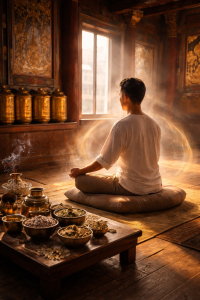
6. Traditional Perspectives on Mind-Body Wellness
Tibetan medicine’s approach to mental and emotional wellness reflects its fundamental philosophy that mind and body form an inseparable continuum. Rather than viewing psychological states as separate from physical health, traditional practitioners observed intricate connections between thought patterns, emotional states, and bodily functions.
The concept of Lung (wind energy) occupies central importance in understanding these connections. Traditional texts describe Lung as governing all movement in the body and mind—from the circulation of blood to the flow of thoughts. When Lung becomes imbalanced, practitioners historically observed correlations with patterns including mental restlessness, disturbed sleep, anxiety, difficulty concentrating, and erratic energy levels.
Ancient physicians developed sophisticated observations about how different life circumstances affected Lung. Excessive mental activity, irregular routines, inadequate rest, emotional suppression, and environmental stressors were all believed to disturb Lung. Historical case descriptions document practitioners’ observations of individuals experiencing what they termed “Lung disorders,” characterized by symptoms modern medicine might associate with anxiety disorders, insomnia, or stress-related conditions.
The herbs traditionally associated with Lung balancing were believed to work through multiple pathways. Spikenard and Rhodiola appear frequently in historical formulas intended for what texts describe as “scattered” or “agitated” Lung. Practitioners didn’t conceptualize these herbs as sedatives in the modern sense but rather as substances that helped redirect and stabilize Lung’s movement patterns.
Traditional texts emphasized that herbal intervention alone was insufficient. Dietary modifications, specific breathing practices, meditation techniques, and lifestyle adjustments formed integrated treatment approaches. The practitioner’s role involved educating patients about how their habits and thought patterns contributed to imbalances—a form of what we might today call psychoeducation or cognitive-behavioral guidance.
Historical descriptions of what practitioners termed “adaptogenic” effects—though they lacked this modern terminology—appear in texts describing certain herbs’ ability to help individuals maintain equilibrium during challenging circumstances. High-altitude traders and nomads reportedly used particular formulas during arduous journeys, with practitioners observing that these individuals seemed better able to maintain mental clarity and physical stamina.
The Tripa (bile) system’s connection to emotional states represented another dimension of traditional mind-body understanding. Balanced Tripa was associated with courage, decisiveness, and healthy assertiveness. Traditional practitioners observed that individuals with Tripa imbalances sometimes experienced what they described as excessive heat—manifesting as irritability, frustration, or what we might today call anger management issues.
Herbs with cooling properties like Swertia and certain Berberis preparations were traditionally used in contexts where practitioners identified excess Tripa. The theoretical framework suggested these substances helped cool inflammatory patterns affecting both body and mind.
Beken (phlegm) imbalances were historically described in contexts of emotional heaviness, lack of motivation, and what texts termed “clouded” thinking. Traditional practitioners observed connections between excessive Beken and patterns of lethargy, emotional withdrawal, and difficulty with change or adaptation.
What distinguishes the Tibetan approach is its recognition that these energetic patterns weren’t fixed diagnoses but dynamic states influenced by countless factors. The same person might experience different imbalances at different life stages or seasons. Treatment was therefore personalized and adjusted based on ongoing assessment.
Modern research examining some of these traditional herbs has investigated mechanisms that may provide partial explanations for historical observations. Studies on adaptogenic herbs have explored their effects on the HPA axis, neurotransmitter systems, and stress biomarkers. While this research doesn’t validate traditional theory directly, it reveals biological activities consistent with reported effects.
The integration of mental and physical health in Tibetan medicine anticipated concepts that Western medicine has only recently embraced. The recognition that chronic stress affects physical health, that emotional states influence immune function, and that mind-body practices enhance wellbeing—all central to current integrative medicine—were foundational principles in Tibetan healing traditions centuries ago.
7. Longevity Practices in Tibetan Tradition
Longevity held special significance in Tibetan Buddhist culture, not merely as extension of lifespan but as preservation of vitality that enabled continued spiritual practice. The extended lifespans attributed to certain high lamas and yogis generated fascination with practices and substances believed to support healthy aging.
Traditional longevity formulas, called “tshe-ring” or life-extending medicines, occupied a distinct category in Tibetan pharmacology. These weren’t intended for treating specific diseases but rather for maintaining vitality across the lifespan. Historical texts describe elaborate preparation methods, specific timing for consumption, and integration with meditation practices and dietary disciplines.
Rhodiola appears prominently in longevity formulations. Traditional practitioners observed that high-altitude populations who regularly consumed Rhodiola-containing preparations seemed to maintain physical capability later in life. While these were observational rather than controlled comparisons, they formed the basis for Rhodiola’s reputation as a longevity herb.
Cordyceps held special status among longevity substances. Historical accounts describe Tibetan herders noticing that yaks grazing in areas where Cordyceps grew displayed unusual vigor and stamina. This observation led practitioners to investigate the fungus’s properties, eventually incorporating it into formulas believed to enhance vitality and support aging bodies.
The concept of “rasayana” or rejuvenation, borrowed from Ayurveda but adapted to Tibetan practice, emphasized regular use of specific herbs and practices rather than heroic interventions for established disease. Amla, in particular, was valued as a rasayana substance, with traditional texts describing its regular consumption as supporting tissue health and resilience.
Modern scientific research into longevity herbs has explored several relevant mechanisms. Studies on Rhodiola have examined its effects on mitochondrial function—the cellular powerhouses that decline with aging. Research on Cordyceps has investigated its impact on cellular energy production and oxidative stress markers. While these studies don’t prove lifespan extension in humans, they reveal biological activities consistent with supporting healthy cellular aging.
The traditional integration of longevity herbs with other practices reflects sophisticated understanding that no single intervention determines aging outcomes. Meditation practices were believed to reduce mental stress that accelerated aging. Breathing exercises aimed to optimize oxygen utilization. Dietary guidelines emphasized moderation and appropriate food choices for one’s constitution and age.
Monastic communities provided unique environments for longevity observation. The controlled lifestyle, regular meditation practice, moderate diet, and social support structures may have contributed as much as herbal interventions to the remarkable vitality some monastics displayed in advanced age. Traditional physicians recognized these multifactorial influences even without modern epidemiological methods.
Historical texts describe specific protocols for different life stages. Formulas for individuals in their 40s might emphasize supporting digestive fire and maintaining vitality. Those for older individuals might focus on supporting joint health, cognitive function, and preventing decline. This age-appropriate approach recognized that longevity support required different strategies across the lifespan.
The spiritual dimension of Tibetan longevity practices distinguished them from purely physical interventions. Extended healthy lifespan served the purpose of accumulating spiritual wisdom and serving others. This purposeful framing may have psychological effects on aging—research in gerontology has demonstrated that sense of purpose correlates with better health outcomes in later life.
8. Detoxification Concepts in Tibetan Medicine
Detoxification in Tibetan medicine represented a sophisticated conceptual framework distinct from modern notions of cleansing or detox protocols. Traditional practitioners identified various types of “drib” (waste products or impurities) that accumulated through improper digestion, environmental exposures, and metabolic processes.
The theoretical foundation centered on “digestive heat” or “me-drod”—a concept similar to Ayurveda’s agni. Strong digestive heat was believed to properly transform food into nourishing essence while burning off waste products. When digestive heat weakened, incomplete digestion generated toxins that traditional texts described as causing various imbalances.
Terminalia chebula (Haritaki) occupied central importance in traditional detoxification approaches. Historical texts describe it as the “king of medicines” partially because practitioners observed its effects on elimination and what they interpreted as cleansing actions. Different preparation methods—raw, roasted, or combined with specific substances—were believed to target different types of accumulated waste.
Seasonal detoxification represented another traditional practice. Tibetan medical texts prescribed specific cleansing protocols timed to seasonal transitions, particularly spring and autumn. These weren’t extreme fasting regimens but rather combinations of specific herbs, dietary modifications, and practices believed to help the body eliminate accumulated seasonal residues.
Picrorhiza kurroa held reputation as a liver-supporting herb in contexts traditional practitioners associated with bile and blood purification. While they lacked modern understanding of hepatic detoxification pathways, traditional observations noted apparent benefits in conditions they attributed to liver dysfunction or bile accumulation.
The integration of external therapies complemented herbal approaches. “Horma” or herbal compresses, oil massage with medicated oils, and steam treatments were described as helping eliminate impurities through the skin. These methods reflected understanding that detoxification occurred through multiple routes, not solely through digestive elimination.
Modern research has explored some mechanisms that may relate to traditional detoxification concepts. Studies on herbs like Haritaki have examined effects on gut motility and the gut microbiome. Research on Picrorhiza has investigated its influence on liver enzyme systems involved in metabolizing toxins. While this research uses different conceptual frameworks, it reveals biological activities consistent with some traditional observations.
Traditional detoxification wasn’t a standalone intervention but part of comprehensive lifestyle adjustments. Dietary guidelines emphasized easily digestible foods during cleansing periods. Reduced physical and mental activity allowed energy to focus on internal processes. Meditation practices were believed to support the mental clarity that accompanied physical purification.
The environmental context influenced traditional detoxification timing and methods. High-altitude living with limited agricultural seasons meant that dietary patterns naturally varied with seasons. Spring cleansing protocols coincided with transition from preserved winter foods to fresh spring plants. This alignment with natural cycles reflected traditional medicine’s emphasis on living in harmony with environmental rhythms.
Historical texts warned against excessive or inappropriate detoxification. Practitioners recognized that aggressive cleansing could weaken individuals, particularly those with constitutions dominated by Lung (wind) or those already depleted. Detoxification protocols were individualized based on constitutional assessment and current condition—another example of personalized medicine centuries before the term existed.
PART 5: FORMULATIONS & PRACTICAL KNOWLEDGE
9. Understanding Traditional Formula Categories
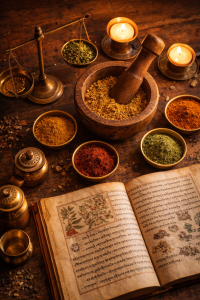
One of the most sophisticated aspects of Tibetan herbal medicine is its emphasis on complex multi-herb formulations rather than single-herb remedies. This approach reflects philosophical understanding that health arises from multiple interacting factors requiring multifaceted support.
Traditional formulas typically combine 15-35 ingredients, though some complex preparations contain 50 or more components. This complexity wasn’t arbitrary but reflected careful observation of how herbs interact synergistically. Ancient practitioners believed that properly combined herbs could achieve effects impossible with individual plants while reducing potential adverse effects through mutual tempering.
Formulas were categorized based on their primary purposes within traditional theoretical frameworks. Some were designed to balance specific humors, others to address particular organ systems, and still others for general vitality support or seasonal health maintenance.
Historical Formula Examples and Their Traditional Contexts:
Agar 35, one of the most famous Tibetan formulas, contains 35 ingredients including Aquilaria wood, sandalwood, and various aromatic substances. Historical texts categorized it for Lung-related conditions—situations traditional practitioners associated with nervous system agitation, mental restlessness, and disturbed sleep patterns. The formula’s complexity reflected the multifaceted nature of Lung imbalances.
Dashol represents traditional formulas historically associated with heart health and what ancient texts described as maintaining proper blood circulation. The name translates roughly to “six excellent substances,” though various versions contain different numbers of ingredients. Practitioners prescribed it in contexts they identified as circulatory stagnation or heart weakness.
Bimala, classified as a digestive system formula, was designed for what traditional theory identified as Tripa imbalances affecting digestive fire. Historical texts describe its use when practitioners observed signs they interpreted as excess heat or bile disturbances affecting digestion.
Manu 7 appears in texts describing formulas for Lung disturbances manifesting as what practitioners termed “life-wind” dysfunction. The formula’s seven primary ingredients were believed to work synergistically to redirect erratic Lung patterns.
Jumar 5 was traditionally categorized for vitality restoration in individuals experiencing what texts described as weakness or depletion. The formula combined strengthening herbs with digestive supports, reflecting understanding that rebuilding vitality required both nourishing substances and proper digestive function to assimilate them.
Chebu 3, named for Terminalia chebula as its primary ingredient along with two others, represented a detoxification formula in traditional categorization. Its simplicity compared to other formulas made it accessible for regular use during seasonal transitions.
The Principle of Synergistic Action:
Traditional formula construction followed sophisticated principles. Primary herbs provided main therapeutic direction. Supporting herbs enhanced primary herbs’ actions or guided their effects to specific body systems. Harmonizing herbs reduced potential adverse effects and improved overall formula balance. Carrier herbs were believed to facilitate absorption and distribution.
This hierarchical organization reflected centuries of empirical observation about how herbs interact. Modern pharmacological research has begun investigating these synergistic principles, finding that some herb combinations do produce effects distinct from individual components. However, the complexity makes mechanistic study challenging.
Preparation Precision:
Traditional texts specified precise ratios for formula ingredients, often using weight measurements like “bre” and “zho” (traditional Tibetan units). Practitioners considered these ratios critical—altering proportions could fundamentally change a formula’s properties and appropriate applications.
Modern standardization efforts attempt to preserve traditional ratios while ensuring consistent quality and potency. This creates tension between traditional preparation methods and modern manufacturing requirements. Some practitioners argue that traditional hand-preparation, though less consistent by modern standards, produces superior results through subtle factors difficult to standardize.
Seasonal and Constitutional Modifications:
Another sophisticated aspect of traditional practice involved modifying formulas based on seasonal influences and individual constitution. A base formula might be adjusted by adding or removing specific ingredients depending on whether a patient had predominantly Lung, Tripa, or Beken constitution, and whether treatment occurred during summer’s heat or winter’s cold.
This personalization represents genuine precision medicine centuries before genomics and personalized treatments became modern medical goals. However, it also means that the same formula name might refer to somewhat different preparations depending on practitioner and context—a source of confusion when attempting to standardize traditional medicines.
10. Traditional Preparation Techniques
The preparation of Tibetan herbs involved sophisticated techniques believed to modify their properties, enhance potency, reduce toxicity, or target specific actions. Understanding these methods provides insight into the tradition’s pharmaceutical sophistication.
Churna (Powders):
The most common preparation involved drying herbs and grinding them into fine powders. However, traditional methods involved specific considerations. Different plant parts required different drying methods—roots might be dried slowly in shade while certain flowers required quick drying in sunlight. Grinding was traditionally done using stone mortars with pestles, with practitioners believing the manual process imparted qualities mechanical grinding couldn’t replicate.
Powders were often combined with substances believed to enhance their actions. Mixing with honey was thought to make formulas more nourishing and easier to assimilate. Combinations with clarified butter (ghee) were used for preparations intended to support tissue building. These carrier substances also addressed the intense bitterness of many herbs, making them more palatable.
Kwath (Decoctions):
Boiling herbs in water to extract active compounds represented another primary preparation method. Traditional texts specified precise ratios of herb to water and reduction volumes. A typical instruction might direct boiling until the volume reduced by half or two-thirds, concentrating the extract.
Different herbs required different boiling times. Roots and bark needed longer extraction than leaves or flowers. Some herbs were added at the beginning of boiling while others were added near the end to preserve volatile compounds. These distinctions reflected empirical understanding of how different plant materials released their constituents.
Decoctions were typically prepared fresh daily, as traditional practitioners believed stored decoctions lost potency. This created practical challenges for patients needing to boil herbs daily, though it ensured maximum freshness.
Rilbu (Pills and Tablets):
Pill-making represented a complex art form in Tibetan medicine. Powdered herbs were combined with binding agents and rolled into small spheres. The choice of binder—honey, herbal concentrates, or mineral substances—was believed to influence the formula’s properties.
Traditional texts prescribed making certain pills during specific lunar phases, believing this enhanced their potency. While modern medicine might view this as superstition, it may have had practical effects—lunar cycles could influence practitioner attention and care during preparation, potentially affecting quality.
Some pills underwent elaborate processing including repeated drying and rolling cycles, believed to stabilize the formula and improve storage longevity. Precious pills containing minerals, gems, or metals required specialized detoxification and processing techniques to render potentially toxic materials safe and therapeutically active.
Herbal Butters and Oils:
Medicated oils and butters involved infusing herbs into lipid bases. Fresh or dried herbs were combined with oil or clarified butter and gently heated over extended periods—sometimes days—to extract fat-soluble compounds. The resulting preparations were used both internally and externally.
For external application, specific oils targeted different conditions based on traditional theory. Warming oils for cold-type conditions might include different herbs than cooling oils for heat-type issues. Massage techniques and application timing followed detailed protocols.
Modern Adaptations:
Contemporary manufacturers face challenges preserving traditional methods while meeting modern safety and consistency standards. Freeze-drying, standardized extracts, and encapsulation offer convenience and dosing precision but may differ from traditional preparations.
Some researchers argue that traditional preparation methods are integral to therapeutic effects—that the time-intensive manual processes create subtle qualities beyond isolated active compounds. Others contend that modern methods preserve active constituents more reliably while eliminating variables that caused inconsistency.
This tension between tradition and modernization remains unresolved. Some manufacturers attempt hybrid approaches, using traditional preparation principles with modern quality control. Others prioritize standardization and active compound quantification over traditional methods.
PART 6: PRACTICAL CONSIDERATIONS
11. The Importance of Qualified Guidance
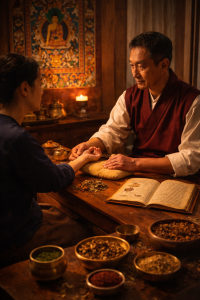
Tibetan herbal medicine’s complexity and personalized nature make qualified professional guidance essential for appropriate use. Unlike simple home remedies or general supplements, traditional Tibetan medicine operates within a sophisticated diagnostic and treatment framework requiring years of specialized training.
Traditional Tibetan medicine practitioners, called “amchi” or “menpa,” undergo rigorous education. In Tibet and regions maintaining authentic traditions, training can last 7-15 years. Students memorize extensive materia medica covering hundreds of medicinal substances, learn complex diagnostic techniques including pulse and urine analysis, study the philosophical foundations of Buddhist medicine, and complete extensive apprenticeships with experienced practitioners.
The diagnostic sophistication distinguishes Tibetan medicine from self-directed supplement use. Practitioners assess an individual’s constitutional type through detailed observation and questioning. They examine the pulse at twelve positions on each wrist, interpret characteristics of urine samples, examine the tongue, and assess numerous physical and behavioral indicators. This comprehensive evaluation informs formula selection and dosing.
Constitutional assessment determines appropriate herbal strategies. An individual with predominantly Lung constitution might require different herbs or preparations than someone with strong Tripa characteristics, even when experiencing apparently similar concerns. Seasonal factors, geographic location, age, lifestyle, and concurrent health conditions all influence traditional treatment decisions.
The complexity of traditional formulas presents another reason professional guidance matters. With formulas containing 20-30 ingredients in precise ratios, self-administration risks inappropriate use. Traditional practitioners understand not just which formulas apply to different situations but when to modify standard formulas, which herbs to add or remove for individual circumstances, and how to adjust treatments based on response.
Herb-drug interactions represent important safety considerations. Modern research has documented that some herbs used in Tibetan medicine can interact with pharmaceutical medications. St. John’s Wort, though not traditionally Tibetan, illustrates this concern—it affects metabolism of numerous medications. Similarly, herbs affecting blood clotting might interact with anticoagulant medications. Qualified practitioners trained in both traditional medicine and modern pharmacology can navigate these interaction risks.
Finding appropriately trained practitioners presents challenges, especially outside regions where Tibetan medicine is culturally established. In Tibet, India (particularly Dharamsala and Ladakh), Nepal, Bhutan, and Mongolia, formal Tibetan medicine clinics with traditionally trained physicians operate within healthcare systems. In Western countries, qualified practitioners are fewer, though growing interest has led to more training programs.
When seeking a Tibetan medicine practitioner, relevant considerations include:
- Training lineage and credentials: Did they complete formal studies at recognized institutions like the Tibetan Medical and Astrology Institute in Dharamsala or Lhasa’s Traditional Hospital?
- Years of practice: Tibetan medicine relies heavily on experiential knowledge developed over time
- Approach to integration: Do they understand potential interactions with conventional medicine?
- Cultural competency: Are they trained in the tradition’s cultural and spiritual context?
- Licensing status: While many regions don’t specifically license Tibetan medicine practitioners, some may hold licenses as herbalists, naturopaths, or acupuncturists
The practitioner-patient relationship in Tibetan medicine traditionally extends beyond prescribing herbs. Practitioners offer dietary guidance, lifestyle recommendations, and sometimes meditation or spiritual practices as complementary interventions. This comprehensive approach reflects the tradition’s holistic philosophy but requires trust and open communication.
Quality control represents another area where practitioner expertise matters. Experienced practitioners develop relationships with reliable suppliers, understand how to evaluate herb quality, and know which products maintain traditional standards. They can identify counterfeit or adulterated products that untrained consumers might accept.
For those interested in Tibetan herbs without access to qualified traditional practitioners, working with integrative medicine physicians, naturopathic doctors, or clinical herbalists with training in traditional Asian medicine offers a middle path. While these practitioners may not have traditional amchi training, many understand herb-drug interactions, constitutional differences, and appropriate supervision.
The principle remains that Tibetan herbal medicine’s sophistication—its strength as a medical system—also necessitates proper guidance for safe and effective use. Self-directed use of simple herbs like ginger or turmeric differs fundamentally from engaging with complex traditional formulas designed within an intricate theoretical framework.
12. Evaluating Herb Quality and Authenticity
The growing global interest in Tibetan herbs has created a market where quality varies dramatically and authentication becomes increasingly important. Understanding quality indicators helps consumers and practitioners make informed decisions.
Geographic Origin and Authenticity:
Traditional texts specified that herbs collected from their native high-altitude habitats possessed superior potency compared to those grown at lower elevations. Modern research partially supports this—plants grown at extreme altitudes develop higher concentrations of certain secondary metabolites as stress responses.
Authentic Rhodiola crenulata from the Tibetan plateau differs from Rhodiola rosea grown in Scandinavia or from cultivated Rhodiola at lower elevations. While related species may share some properties, substitution changes the product fundamentally. Unfortunately, determining geographic origin visually is difficult without botanical expertise or analytical testing.
Wild-Crafted Versus Cultivated:
Traditionally, most Tibetan herbs were wild-crafted—gathered from natural habitats. This ensured plants grew in appropriate conditions but raised sustainability concerns. As demand increased, cultivation became necessary for some species.
Cultivated herbs offer consistency and conservation benefits but may differ from wild varieties. Growing conditions—soil composition, altitude, water availability—influence phytochemical profiles. Some practitioners insist wild-crafted herbs are superior; others argue that carefully cultivated herbs can match or exceed wild quality while protecting wild populations.
Processing and Preparation:
Traditional processing methods significantly affect herb quality. Proper drying prevents mold and preserves active compounds. Storage in appropriate conditions protects against degradation from light, heat, and moisture. Traditional practitioners often preferred freshly prepared formulas, believing stored herbs lost potency over time.
Modern good manufacturing practices (GMP) standardize processing and storage, potentially improving consistency and safety compared to variable traditional conditions. However, some traditional processing techniques—specific drying methods, consecration rituals, lunar timing—are lost in industrial production.
Third-Party Testing and Certifications:
Independent laboratory testing can verify several quality parameters:
- Identity confirmation through DNA testing or chemical fingerprinting
- Active compound quantification
- Heavy metal screening
- Pesticide residue testing
- Microbial contamination checks
Reputable manufacturers provide certificates of analysis (COAs) documenting these tests. However, testing costs money, and not all suppliers invest in comprehensive analysis. Products with visible testing documentation generally indicate quality-conscious manufacturers.
Price as a Quality Indicator:
Tibetan herbs vary enormously in price based on rarity, sourcing difficulty, and processing complexity. Cordyceps sinensis at $20,000+ per kilogram represents an extreme, but many authentic high-altitude herbs cost significantly more than common herbs or lowland substitutes.
Suspiciously low prices often indicate issues: substituted species, low-quality material, or adulterated products. However, high prices don’t guarantee authenticity—the market includes expensive counterfeits. Price provides one data point but requires interpretation alongside other quality indicators.
Supplier Reputation and Transparency:
Established suppliers with long operational histories and transparent sourcing practices generally offer more reliable products. Companies that provide detailed information about sourcing locations, harvest practices, and processing methods demonstrate accountability.
Red flags include vague sourcing claims, resistance to answering questions about origins or processing, and absence of quality documentation. In traditional markets, personal relationships and practitioner networks help identify reliable suppliers. In Western markets, consumers often lack these networks, making due diligence more challenging.
Traditional Versus Commercial Sources:
Practitioners sometimes distinguish between herbs sourced through traditional channels—suppliers connected to monastic communities or traditional harvesting networks—and commercial mass-market products. Traditional sources may offer authenticity advantages but also limited availability and less standardization.
Commercial suppliers bring economies of scale, standardized testing, and accessibility but may prioritize efficiency over traditional quality criteria. Neither approach is inherently superior—each has strengths and limitations.
Counterfeit Products:
The market includes deliberate fraud: cheaper species sold as expensive ones, synthetic compounds represented as natural herbs, or products containing little to none of their claimed ingredients. Cordyceps counterfeiting is rampant, with various fungi or even synthetic materials sold as genuine Cordyceps sinensis.
Authentication requires expertise or testing. For expensive herbs, investment in third-party verification may be worthwhile. For common herbs, purchasing from reputable suppliers with accountability systems provides reasonable assurance.
13. Sustainability and Ethical Considerations
The increasing global demand for Tibetan herbs raises serious sustainability concerns. Many traditional medicinal plants grow in fragile high-altitude ecosystems where recovery from overharvesting is slow.
Endangered Species Concerns:
Several important Tibetan medicinal plants face endangerment from overharvesting:
Cordyceps sinensis harvesting has become an economic mainstay for many Tibetan communities, with collection areas sometimes experiencing near-complete harvest of available specimens. The fungus’s slow reproduction cycle means populations struggle to recover.
Nardostachys jatamansi has been heavily harvested for both medicinal use and essential oil extraction, reducing wild populations significantly. Some regions now regulate or prohibit collection.
Picrorhiza kurroa faces similar pressures, leading to endangered status in parts of its range. The plant’s slow growth rate—taking years to reach harvesting maturity—makes sustainable wild collection challenging.
Saussurea lappa, particularly the Indian species, is critically endangered in the wild, with international trade regulated under CITES (Convention on International Trade in Endangered Species).
Climate Change Impacts:
Global warming disproportionately affects high-altitude ecosystems. As temperatures rise, the suitable habitat range for alpine medicinal plants shifts upward. Eventually, plants adapted to the highest elevations have nowhere higher to migrate, facing potential extinction.
Glacial retreat affects water availability during critical growing seasons. Changes in precipitation patterns alter the delicate balance these plants evolved within. Research suggests that some important medicinal plants may face dramatic range reductions within coming decades.
Conservation Initiatives:
Recognition of these threats has spurred various conservation responses:
Cultivation programs attempt to bring rare species into agricultural production, reducing pressure on wild populations. Success varies—some plants prove difficult to cultivate, and cultivated specimens may lack wild plants’ phytochemical richness.
Protected area establishment restricts harvesting in certain regions, allowing population recovery. However, enforcement proves challenging in remote areas, and protected zones limit local communities’ traditional resource access.
Community-based conservation involves local people in sustainable harvest practices, providing economic incentives for conservation. These programs recognize that people dependent on herb collection for income need viable alternatives if harvest restrictions are imposed.
Research into plant propagation techniques, including tissue culture, aims to enable mass production of rare species without wild collection. Early successes show promise, though scaling to commercial viability takes time.
Ethical Harvesting Practices:
Sustainable wild-crafting principles include:
- Harvesting only abundant species or from cultivated sources when wild populations are threatened
- Taking no more than a small percentage of available plants from any location
- Rotating harvest areas to allow recovery
- Avoiding harvest during critical reproductive periods
- Leaving root systems intact when possible for perennial species
- Ensuring proper identification to avoid mistakenly harvesting rare species
Supporting Ethical Producers:
Consumers and practitioners can support sustainability by:
- Prioritizing cultivated sources for threatened species
- Asking suppliers about sourcing practices and sustainability policies
- Accepting higher prices that reflect sustainable harvesting costs
- Supporting certification programs that verify sustainable practices
- Using common or abundant herbs when therapeutically appropriate rather than defaulting to rare species
- Participating in or supporting conservation funding initiatives
Community Impact Considerations:
Medicinal plant harvest provides crucial income for many Himalayan communities. Conservation measures that restrict access without providing alternatives can harm vulnerable populations. Ethical approaches balance conservation needs with community economic sustainability, ideally involving local people in decision-making and benefit-sharing.
The Future of Tibetan Herb Sustainability:
Long-term availability of authentic Tibetan herbs requires integrated solutions: expanded cultivation, strengthened conservation, sustainable harvest practices, and reduced demand through substitution where possible. Traditional knowledge must inform conservation strategies, as local communities often possess detailed understanding of plant ecology and sustainable use practices.
The tension between preserving ancient healing traditions and protecting fragile ecosystems challenges both conservation and medical communities. Solutions require cooperation among traditional practitioners, conservation biologists, local communities, and policy makers.
PART 7: INTEGRATION & FUTURE

14. Integrating Tibetan Herbs into Modern Wellness
The ancient tradition of Tibetan herbal medicine finds new relevance in contemporary wellness culture, where increasing numbers seek natural approaches complementing conventional medicine. This integration creates both opportunities and challenges.
Compatibility with Contemporary Practices:
Tibetan herbs align naturally with several modern wellness modalities. The tradition’s emphasis on mind-body connection resonates with yoga and meditation practices increasingly popular worldwide. Many yoga practitioners incorporate adaptogenic herbs like Rhodiola to support energy and stress resilience. Meditation communities sometimes use traditional formulas associated with mental clarity and calm.
The concept of constitutional types in Tibetan medicine parallels personalized approaches in functional and integrative medicine. Modern practitioners increasingly recognize biochemical individuality—that different people respond differently to the same interventions. This aligns with traditional Tibetan medicine’s insistence on constitutional assessment and personalized treatment.
High-performance athletes have discovered Tibetan herbs, particularly those traditionally associated with endurance and oxygen utilization. Cordyceps has gained attention in sports nutrition circles, though much use relies on cultivated species rather than wild-harvested traditional material. Rhodiola similarly finds use among endurance athletes, with some research supporting performance benefits under specific conditions.
Professional and Cognitive Enhancement:
Modern knowledge workers seeking natural cognitive support sometimes turn to herbs from Tibetan tradition. Formulas historically associated with mental clarity find new applications among programmers, executives, and students. While traditional use occurred within different contexts and theoretical frameworks, the observed effects translate across cultural boundaries.
The adaptogen concept particularly resonates in contemporary high-stress environments. Traditional herbs believed to support resilience during challenging conditions now serve urban professionals managing deadline pressures and information overload. This represents significant context shift from nomadic herders crossing high passes to office workers navigating corporate demands, yet reported benefits suggest some cross-context validity.
Integration Challenges:
Differences in conceptual frameworks create challenges. Traditional Tibetan diagnosis involves pulse analysis, urine examination, and constitutional assessment. Modern practitioners may lack training in these techniques, making authentic traditional practice difficult. Simplified approaches that use Tibetan herbs without traditional diagnostic frameworks may miss the personalization that made the system effective.
The pace of modern life contrasts with traditional medicine’s rhythms. Boiling fresh decoctions daily, as traditional practice prescribed, doesn’t fit easily into contemporary schedules. Capsules and standardized extracts offer convenience but may alter traditional preparation’s subtle qualities.
Cost and accessibility present barriers. Authentic Tibetan herbs, properly sourced and prepared, can be expensive. Insurance rarely covers traditional herbal medicine, making it accessible mainly to those able to pay out-of-pocket.
Cultural Appropriation Concerns:
As Tibetan herbs gain popularity, questions arise about appropriate engagement with this tradition. Tibetan medicine developed within specific cultural and spiritual contexts. Using its herbs while ignoring philosophical foundations or treating them as simple supplements potentially represents superficial appropriation.
Respectful integration involves acknowledging the tradition’s origins, learning about its principles, and supporting Tibetan cultural preservation. When possible, consulting Tibetan-trained practitioners or practitioners working within authentic lineages honors the tradition more than self-directed use based on Internet research.
Economic benefits from the Tibetan herb market should ideally flow back to Tibetan communities. Supporting suppliers that work directly with traditional harvesters and ensure fair compensation represents one way to honor the tradition’s cultural origins.
Creating Daily Practices:
For those interested in incorporating Tibetan herbs into daily wellness routines, several approaches maintain traditional principles while accommodating modern lifestyles:
Morning tonics combining warming herbs with hot water or herbal teas can provide gentle energetic support while creating a mindful ritual to start the day. Evening formulas traditionally associated with calming Lung can be integrated into wind-down routines alongside meditation or gentle stretching.
Seasonal adjustments reflect traditional medicine’s attention to environmental influences. Using different herbs or formulas in winter versus summer aligns with how traditional practitioners modified treatments based on seasonal factors affecting the humors.
Combining herbal use with other wellness practices—adequate sleep, appropriate exercise, stress management, and nourishing food—reflects traditional medicine’s holistic approach. Herbs were never intended as stand-alone interventions but as components of comprehensive lifestyle approaches.
Educational Resources:
Growing interest in Tibetan medicine has generated increasing educational resources. Several Western universities now offer courses in Tibetan medical history and philosophy. Books translating traditional texts make foundational concepts accessible to English-speaking audiences, though translation inevitably involves interpretation and potential distortion.
Online communities connect practitioners and enthusiasts, facilitating knowledge exchange. However, Internet information quality varies enormously. Relying on sources connected to authentic teaching lineages or academic institutions generally ensures greater accuracy than random blogs or commercial sites motivated by product sales.
15. Cost and Accessibility Considerations
Understanding the economic realities of Tibetan herbs helps set appropriate expectations and make informed decisions about incorporating them into wellness practices.
Price Range Overview:
Tibetan herbs span an enormous price spectrum. Common herbs like Haritaki (Terminalia chebula) might cost $20-40 per pound for quality material. Mid-range herbs like Rhodiola crenulata typically run $50-150 per pound depending on quality, origin, and processing. Rare materials like genuine wild Cordyceps sinensis reach prices exceeding $20,000 per kilogram—beyond most individuals’ budgets.
Prepared formulas vary similarly. Simple combinations of common herbs might cost $20-40 for a month’s supply. Complex traditional formulas with numerous ingredients and labor-intensive preparation can cost $100-300 monthly. Precious pill formulas containing gems, gold, or rare ingredients may cost hundreds per dose.
Factors Affecting Cost:
Several variables influence Tibetan herb prices:
Rarity: Herbs growing only in limited high-altitude regions naturally cost more than widely available species. Slow-growing plants requiring years to reach harvestable size command premium prices.
Harvesting difficulty: Accessing remote high-altitude locations where many Tibetan herbs grow requires significant effort. Collection often occurs during brief windows when plants are at optimal stages, requiring collectors to work intensively during limited periods.
Processing complexity: Traditional preparation methods involving multiple steps, specific timing, or elaborate processing increase costs. Precious pill formulations requiring ritual consecration and elaborate preparation naturally cost more than simple dried herbs.
Quality and authenticity: Verified authentic material from traditional sources costs more than products of uncertain origin or quality. Third-party testing, proper storage, and quality control systems add expenses that conscientious suppliers must recoup.
Importation and regulation: Bringing herbs from Tibet, India, Nepal, or Bhutan to Western markets involves regulatory compliance, importation costs, and potential tariffs. These add to final consumer prices.
Budget-Friendly Options:
Those interested in exploring Tibetan herbs without significant financial investment can consider:
Starting with more affordable common herbs like Haritaki, Amla, or Tinospora before investing in expensive rare species. These provide genuine introduction to the tradition without major expense.
Purchasing single herbs rather than complex formulas reduces costs while still allowing experimentation. Learning effects of individual herbs can inform later decisions about investing in traditional formulas.
Finding suppliers offering small quantities enables trying herbs without committing to large purchases. Some companies sell sample sizes recognizing that people want to experiment before investing in full-size products.
Cultivated alternatives for rare wild-harvested herbs can cost significantly less while potentially offering similar properties. Cultivated Cordyceps militaris, while different from wild C. sinensis, provides more affordable access to a Cordyceps species.
When Higher Cost Indicates Quality:
In some cases, premium pricing reflects genuine quality differences:
Wild-harvested herbs from traditional regions often cost more but may offer phytochemical richness that cultivated alternatives lack. For serious practitioners or those with specific needs, this investment may prove worthwhile.
Traditional formulas prepared according to authentic methods, even when expensive, may provide experiences different from simplified commercial versions. The additional cost reflects labor-intensive preparation and quality ingredients.
Products with documented testing, verified geographic origin, and transparent sourcing practices cost more to produce. The premium pricing supports ethical supply chains and quality assurance systems.
Insurance and Reimbursement:
Traditional herbal medicine rarely receives insurance coverage in Western healthcare systems. Unlike some complementary therapies like acupuncture, which have achieved limited coverage in certain plans, herbal medicine typically remains out-of-pocket expense.
Health Savings Accounts (HSAs) or Flexible Spending Accounts (FSAs) sometimes allow using pre-tax dollars for herbal medicine when prescribed by licensed healthcare providers. However, coverage rules vary, and many Tibetan medicine practitioners don’t hold licenses recognized for HSA/FSA purposes.
Geographic Availability:
Access to Tibetan herbs varies dramatically by location. In regions with established Tibetan communities—parts of India, Nepal, Bhutan, Mongolia—authentic herbs and qualified practitioners are relatively accessible. Major cities worldwide increasingly have specialty herb shops or practitioners, though rural areas often lack local sources.
Online availability has expanded access significantly. Reputable suppliers now ship internationally, though import regulations vary by country. Some herbs face restrictions in certain jurisdictions, requiring research into local regulations.
Finding Local Practitioners and Suppliers:
Tibetan medicine clinics exist in areas with Tibetan populations, particularly Dharamsala, Lhasa, Kathmandu, and Ulaanbaatar. Major Western cities may have practitioners trained in Tibetan medicine or integrative doctors familiar with these herbs.
Specialty herb shops in cities with significant Asian populations often stock Tibetan medicinal materials. Asian grocery stores sometimes carry common herbs like Haritaki or Amla, though products may not be specifically marked for medicinal use.
Professional associations like the International Academy for Traditional Tibetan Medicine maintain practitioner directories. However, formal credentialing varies, and consumers should research practitioners’ qualifications independently.
16. The Future of Tibetan Herbs in Global Medicine
Tibetan herbal medicine stands at a crossroads between tradition preservation and modern integration. Several trends shape its likely trajectory in coming decades.
Growing Research Interest:
Scientific investigation of Tibetan herbs has accelerated in recent years. Universities in China, India, and increasingly in Europe and North America have established research programs examining traditional formulas and individual herbs. This research employs modern analytical techniques—mass spectrometry, genomic analysis, clinical trials—to understand traditional medicines within scientific frameworks.
Funding for this research comes from multiple sources: governments interested in traditional knowledge preservation and economic development, pharmaceutical companies exploring traditional medicines for drug discovery leads, and academic institutions pursuing intercultural medical research. This growing investment suggests continued expansion of scientific literature on Tibetan herbs.
Integration into Functional Medicine:
The functional and integrative medicine movement increasingly incorporates traditional Asian medicines including Tibetan herbs. Practitioners trained in both conventional and traditional medicine bridge these systems, creating hybrid approaches that employ traditional herbs within modern diagnostic and safety frameworks.
Medical schools increasingly offer electives in complementary and integrative medicine, exposing future physicians to traditional healing systems. While full Tibetan medicine training remains specialized, general awareness of its principles and major herbs is spreading within healthcare professions.
Pharmaceutical Interest:
The pharmaceutical industry has long mined traditional medicine for drug discovery leads. Tibetan herbs’ reputation and emerging scientific data attract attention from companies seeking novel compounds. This interest brings both opportunities and concerns.
Pharmaceutical development based on traditional herbs could validate traditional knowledge and generate economic returns for source communities if benefit-sharing agreements are properly structured. However, it also risks biopiracy—extraction of traditional knowledge and genetic resources without fair compensation or acknowledgment.
Standardization Debates:
Tension exists between preserving traditional preparation methods and creating standardized modern products. Standardization enables quality control, consistent dosing, and integration with modern healthcare systems. However, it may alter subtle qualities that traditional practitioners consider essential.
Some argue that Tibetan medicine’s strength lies precisely in its flexibility and personalization—that standardization fundamentally misses the point. Others contend that some standardization is necessary for safety, research, and broader accessibility. This debate will likely continue as Tibetan herbs gain global prominence.
Digital Preservation of Traditional Knowledge:
Recognizing that traditional knowledge is endangered as elder practitioners pass without fully training successors, several initiatives work to digitally preserve Tibetan medical texts, oral teachings, and practical knowledge. Online databases, digitized manuscripts, and video recordings of traditional techniques create archives for future generations.
These preservation efforts face challenges: some knowledge was traditionally transmitted only orally or under specific circumstances, raising questions about appropriate public documentation. However, the alternative—losing this knowledge entirely—motivates documentation efforts despite complications.
Training Next Generation Practitioners:
The future of Tibetan medicine depends on training new practitioners in authentic traditions. Traditional apprenticeship models struggle to survive in modern contexts where lengthy unpaid training is economically difficult. Some institutions have developed formal degree programs combining traditional and modern medical education, attempting to maintain essential traditional knowledge while providing livelihoods for practitioners.
Western interest has led to training programs outside traditional Asian contexts. Some Tibetan teachers now offer courses in Europe and North America, though quality and authenticity vary. The challenge involves maintaining teaching quality and lineage authenticity when removed from original cultural contexts.
Cross-Cultural Medical Collaboration:
The most promising future may involve genuine collaboration where traditional practitioners and modern researchers work as equals, combining complementary knowledge systems. Traditional practitioners contribute observational wisdom and holistic frameworks; modern researchers offer analytical tools and clinical trial methodology. Neither approach is superior—they’re different and potentially complementary.
Such collaboration requires mutual respect, willingness to understand different epistemologies, and recognition that traditional knowledge represents sophisticated intellectual achievement rather than primitive medicine awaiting scientific correction. When done well, cross-cultural collaboration generates insights neither tradition could produce alone.
Potential for Mainstream Acceptance:
Whether Tibetan herbs achieve significant mainstream medical acceptance depends on multiple factors: continued positive research findings, safety profiles comparable to or better than pharmaceutical alternatives, cost-effectiveness, and cultural shifts toward more holistic healthcare models.
The trajectory of acupuncture—once considered exotic pseudoscience in the West, now commonly offered in hospitals and covered by insurance—suggests that well-researched traditional therapies can achieve integration. However, herbal medicine’s complexity may make this transition more challenging than a technique like acupuncture.
Conclusion
Tibetan herbal medicine represents one of humanity’s most sophisticated healing traditions—a system that evolved over millennia in the unique environment and cultural context of the Himalayan highlands. Its complex formulas, personalized approach, and integration of physical, mental, and spiritual dimensions offer perspectives increasingly relevant to modern wellness needs.
The scientific investigation of these traditional medicines reveals fascinating overlaps between ancient observation and modern mechanism. While research doesn’t validate every traditional claim, it demonstrates that many Tibetan herbs possess measurable biological activities consistent with their historical uses.
As interest in these herbs grows globally, we face important responsibilities: ensuring sustainable sourcing that protects fragile ecosystems, honoring the tradition’s cultural origins and supporting source communities, seeking qualified guidance rather than treating complex traditional medicines as simple supplements, and maintaining realistic expectations grounded in both traditional wisdom and scientific evidence.
For those drawn to explore Tibetan herbs, approach with appropriate respect for the tradition’s sophistication, recognition of the need for professional guidance, and commitment to ethical engagement with this profound healing legacy. Whether your interest is academic, personal, or professional, Tibetan herbal medicine offers rich territory for discovery—a bridge between ancient wisdom and contemporary wellness that reminds us that humanity’s healing knowledge comes in many forms, all deserving of careful attention and respectful preservation.
The future of Tibetan herbs in global medicine depends on balancing preservation and innovation, honoring tradition while embracing appropriate modernization, and recognizing that truly integrative medicine draws from multiple knowledge traditions with humility and openness. In this spirit, Tibetan herbs may continue to offer their healing gifts for generations to come.
References
- National Center for Biotechnology Information – Tibetan Herbal Medicine Overview
- Himalayan Journal of Sciences – Medicinal Plants of Tibet
- World Health Organization – Traditional Tibetan Medicine Framework
Related Posts
- Tibetan Herbs: 12 Powerful Secrets to Ancient Healing and Natural Vitality
- Chinese Herbs: 12 Powerful Remedies Transforming Modern Wellness
- Ayurveda: 9 Powerful Secrets to Natural Healing