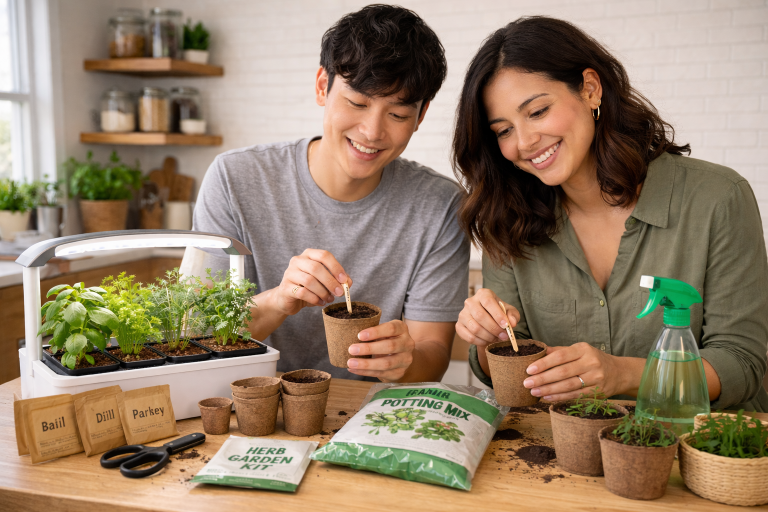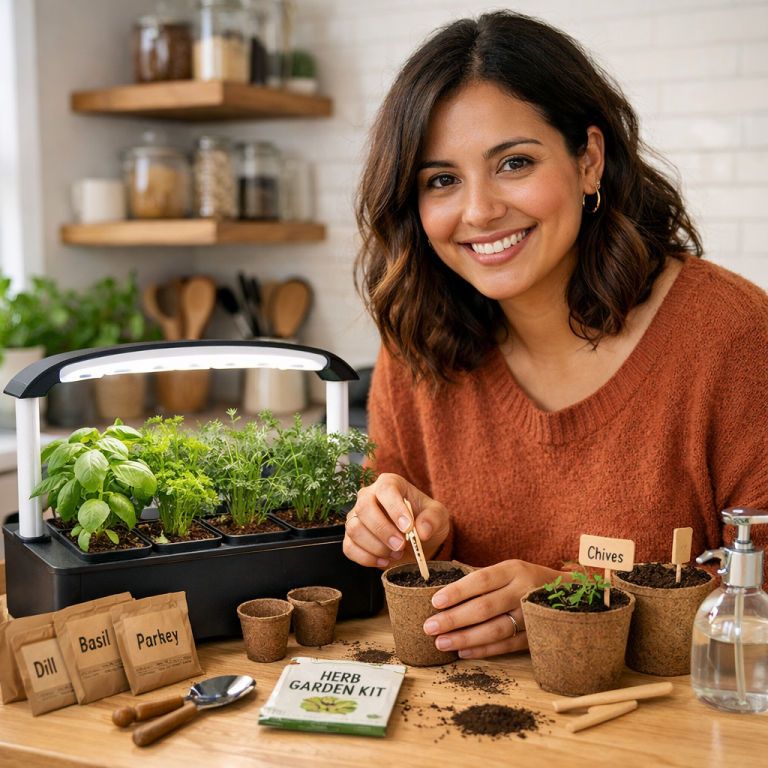
Growing your own herbs at home has never been more important for environmentally conscious individuals. An indoor herb garden kit for sustainable living offers the perfect solution for reducing your carbon footprint while enjoying fresh, organic herbs year-round. These innovative systems allow you to cultivate pesticide-free herbs in your own home, eliminating the need for plastic-wrapped store-bought options that contribute to environmental waste.
Whether you’re a beginner gardener or someone looking to make more sustainable lifestyle choices, choosing the right indoor herb garden kit for sustainable living can transform your kitchen into an eco-friendly growing space. This comprehensive guide explores seven essential considerations to help you select the perfect system for your sustainable living goals.
1. Why Millennials Choose Indoor Herb Gardens for Eco-Friendly Living
Modern consumers increasingly prioritize environmental responsibility in their daily choices. An indoor herb garden kit for sustainable living appeals to millennials who want to reduce their environmental impact without sacrificing convenience or quality. These systems offer immediate access to fresh herbs while supporting sustainable practices.
Millennials appreciate the transparency that comes with growing their own food. When you use an indoor herb garden kit for sustainable living, you know exactly what goes into your herbs – no mysterious pesticides or excessive transportation emissions. This generation values knowing the source of their food and controlling the growing process.
The compact nature of these systems makes them perfect for apartment living. Urban millennials can maximize small spaces while maintaining their commitment to sustainable living practices. An indoor herb garden kit for sustainable living fits seamlessly into modern lifestyles without requiring yards or extensive gardening experience.
2. How Indoor Herb Kits Reduce Plastic Waste from Store Packaging
Commercial herbs typically come wrapped in plastic containers that contribute significantly to household waste. A single indoor herb garden kit for sustainable living can eliminate dozens of plastic containers throughout its lifetime. This reduction in packaging waste represents a meaningful step toward environmental responsibility.
Consider the typical herb-buying cycle: plastic containers, transport packaging, and disposal after use. An indoor herb garden kit for sustainable living breaks this wasteful cycle by providing continuous harvests without additional packaging. You simply harvest what you need, when you need it.
Many quality kits feature reusable components designed to last for years. When you invest in an indoor herb garden kit for sustainable living, you’re choosing a system that reduces waste generation over time rather than contributing to the disposable culture of pre-packaged herbs.
3. Growing Only What You Need to Minimize Food Waste
Food waste represents one of the largest environmental challenges in modern households. An indoor herb garden kit for sustainable living addresses this problem by allowing precise harvest control. You can pick exactly the amount needed for each recipe, ensuring nothing goes to waste.
Fresh herbs from the store often spoil before you can use them completely. With an indoor herb garden kit for sustainable living, herbs stay fresh on the plant until harvesting. This approach eliminates the frustration of throwing away wilted, unused herbs while reducing your household’s food waste footprint.
The continuous growing cycle means you always have access to fresh herbs without overbuying. An indoor herb garden kit for sustainable living produces herbs at a steady rate that matches typical household consumption patterns, creating a perfect balance between supply and demand.
4. Organic and Pesticide-Free Herb Cultivation at Home
Commercial herb production often relies heavily on pesticides and synthetic fertilizers that can harm both environmental and human health. An indoor herb garden kit for sustainable living eliminates these concerns by putting you in complete control of the growing process.
Indoor growing environments naturally protect plants from many pests, reducing the need for chemical interventions. When you use an indoor herb garden kit for sustainable living, you can maintain organic growing practices easily, ensuring your herbs remain pure and chemical-free.
The controlled environment of indoor systems allows for natural pest management techniques. Many manufacturers of quality indoor herb garden kit for sustainable living options include organic nutrients and growing mediums that support healthy plant development without synthetic additives.
5. Water-Efficient Hydroponic vs Soil-Based Systems
Water conservation represents a critical aspect of sustainable living practices. Modern indoor herb garden kit for sustainable living systems offer both hydroponic and soil-based options, each with distinct water efficiency benefits.
Hydroponic systems typically use less water than traditional soil gardening because they recirculate nutrient solutions rather than allowing water to drain away. An advanced indoor herb garden kit for sustainable living with hydroponic technology can reduce water usage by up to 90% compared to outdoor gardening.
Soil-based systems in an indoor herb garden kit for sustainable living still offer water conservation benefits through controlled watering schedules and reduced evaporation. These systems allow precise water application, ensuring plants receive exactly what they need without waste.
According to the Environmental Protection Agency, indoor growing systems can significantly reduce household water consumption related to food production while maintaining healthy plant growth.
6. Reusable and Biodegradable Components in Quality Kits
Sustainable design extends beyond the growing process to include the materials used in kit construction. A well-designed indoor herb garden kit for sustainable living incorporates reusable components that minimize waste generation over the system’s lifetime.
Look for systems with durable growing containers, reusable planting pods, and biodegradable growing mediums. These features ensure your indoor herb garden kit for sustainable living aligns with circular economy principles by reducing single-use components.
Many manufacturers now offer refill options for growing supplies, allowing you to continue using your indoor herb garden kit for sustainable living without purchasing entirely new systems. This approach reduces packaging waste and extends the useful life of your initial investment.
7. Long-Term Sustainability Benefits and Environmental Impact
The environmental benefits of using an indoor herb garden kit for sustainable living extend far beyond immediate waste reduction. These systems contribute to reduced transportation emissions, decreased agricultural pressure on natural resources, and improved local food security.
Transportation represents a significant portion of the environmental cost associated with commercial herbs. By growing herbs locally with an indoor herb garden kit for sustainable living, you eliminate the carbon emissions associated with shipping herbs from distant growing regions to your local store.
Over time, the cumulative environmental benefits become substantial. A single indoor herb garden kit for sustainable living can offset its manufacturing impact within months while continuing to provide environmental benefits for years through reduced packaging, transportation, and waste generation.
Common Mistakes to Avoid When Starting Your Indoor Herb Garden
Many beginners make critical errors that can undermine the sustainability benefits of their growing systems. Understanding these mistakes helps ensure your indoor herb garden kit for sustainable living achieves its full potential for environmental benefit.
Overwatering represents the most common mistake among new growers. Excessive water use defeats the conservation purpose of an indoor herb garden kit for sustainable living and can harm plant health. Follow manufacturer guidelines for optimal water application.
Another frequent error involves choosing the wrong location for your system. Poor lighting conditions force plants to work harder, reducing their efficiency and potentially requiring artificial lighting that increases energy consumption.
Many beginners also underestimate the importance of proper plant spacing. Overcrowded systems compete for resources and may require more inputs than properly spaced plants, reducing the overall sustainability benefits.
Essential Tips for Maximizing Your Sustainable Indoor Garden
Success with your indoor growing system depends on implementing proven strategies that enhance both plant health and environmental benefits. These tips ensure you get maximum value from your investment while supporting your sustainability goals.
Start with easy-to-grow herbs like basil, mint, and cilantro. These varieties adapt well to indoor conditions and provide quick results that build confidence and maintain motivation for sustainable growing practices.
Monitor your plants daily but resist the urge to over-manage. Most indoor herb systems work best with consistent, minimal intervention rather than constant adjustments that can stress plants and waste resources.
Track your harvest quantities and compare them to your previous herb purchasing patterns. This data helps demonstrate the environmental impact of your system while identifying opportunities for expansion or optimization.
Research from National Geographic shows that indoor growing systems can provide substantial environmental benefits when properly managed, including reduced water usage and elimination of transportation-related emissions.
Building a More Sustainable Future Through Indoor Growing
Investing in an indoor herb garden kit for sustainable living represents more than just a hobby – it’s a commitment to environmental responsibility and personal health. These systems demonstrate how small changes in daily habits can create meaningful environmental impact when adopted widely.
The seven essential considerations outlined in this guide provide a framework for selecting and using an indoor herb garden kit for sustainable living that aligns with your environmental values while meeting your practical needs. From reducing plastic waste to conserving water and eliminating transportation emissions, these systems offer multiple pathways to environmental benefit.
As more people recognize the importance of sustainable living practices, indoor growing systems will continue to play an increasingly important role in reducing household environmental impact. Your choice to use an indoor herb garden kit for sustainable living contributes to this positive trend while providing immediate benefits for your family’s health and your household’s environmental footprint.